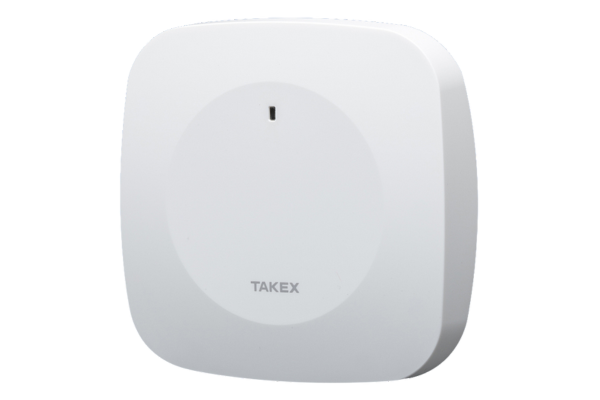
Meet MMW-3
Introducing MMW-3, a cutting-edge mmWave radar sensor designed for presence detection.
Unlike traditional infrared sensors, mmWave can detect human presence with remarkable accuracy, even if a person is stationary. This ensures that no presence goes unnoticed.
And best of all, the 60GHz radar can penetrate plasterboard, allowing MMW-3 to operate fully out of sight and out of mind.
Next-Generation Presence Detection
Leveraging advanced millimetre-wave (mmWave) technology, MMW-3 delivers highly accurate presence detection.
Its unique capabilities allow it to adapt across key pillars of modern infrastructure - enhancing security, improving safety, increasing energy efficiency, and enabling greater convenience.

Enhanced Security:

Improved Safety:

Energy Optimisation:

Increased Convenience:
Use MMW-3 for
- Enhancing security in high-risk areas like prisons and government facilities
- Enabling patient monitoring and improved care in healthcare settings
- Assisting with loss prevention and customer behaviour analysis in retail
- Empowering smart homes and sterile environments with automated control
Paving the way for new applications
MMW-3 is uniquely suited for a range of specialised presence detection applications.
It can be hidden in walls or behind artworks in museums and galleries, alerting only if visitors get too close. With no cameras or microphones, it’s ideal for privacy-sensitive areas such as toilets or changing rooms. Beyond security and monitoring, MMW-3 can be used for energy saving in offices, intelligently controlling lighting and HVAC based on actual room usage.








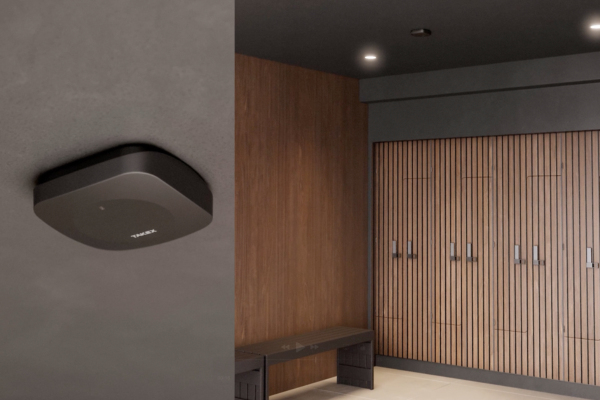
Privacy-first detection
For those concerned with privacy, MMW-3 contains no cameras or microphones. It’s strictly about real-time detection with no surveillance features, making it ideal for monitoring areas like toilets, changing rooms, and low-traffic zones discreetly and effectively.
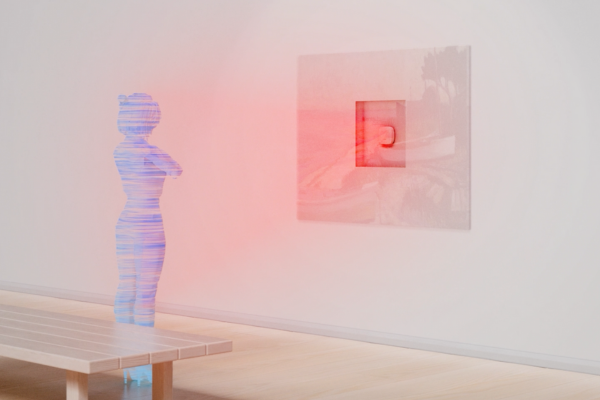
Out of Sight, Out of Mind
Install MMW-3 completely out of view - concealed behind walls, ceilings, or even hidden behind artwork*. This enhances the overall aesthetic by eliminating visual clutter, delivering discreet, dependable security while remaining invisible.
* Detection distance may vary depending on the material density
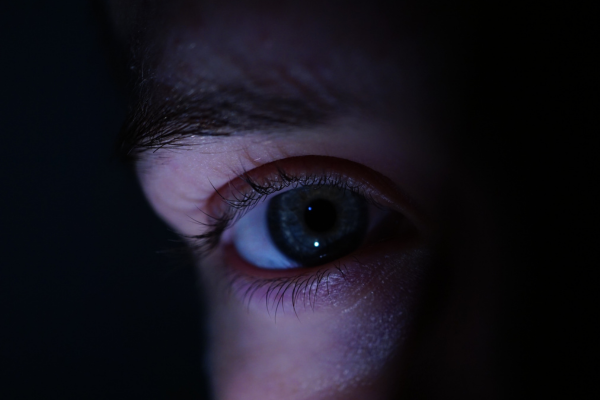
No Place to Hide
MMW-3 surpasses traditional sensing technologies by detecting even the most subtle human motions, including breathing. This ensures absolutely no presence goes unnoticed, providing robust security even against an intruder lying in wait.
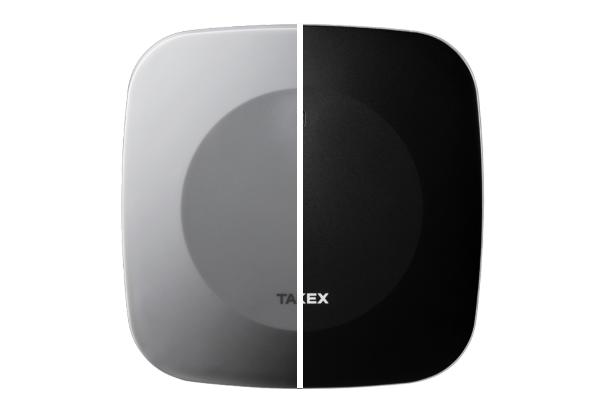
Black or White
Available in sleek White and Black finishes, MMW-3 blends effortlessly into any setting. Whether modern or traditional, it complements your space without drawing unwanted attention.
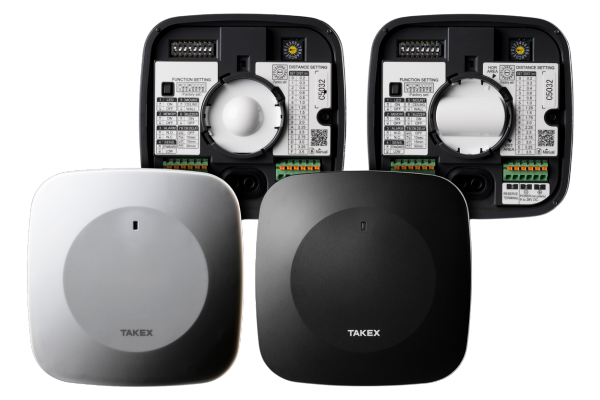
Spot or Wide
MMW-3 Series includes two models - Spot (MMW-3S) and Wide (MMW-3W) - each engineered for precise adaptability in different application settings.
MMW-3S
Provides targeted, narrow-range detection perfect for confined areas like doorways or small rooms.
MMW-3W
Covers wider zones, making it ideal for open spaces such as offices and corridors.
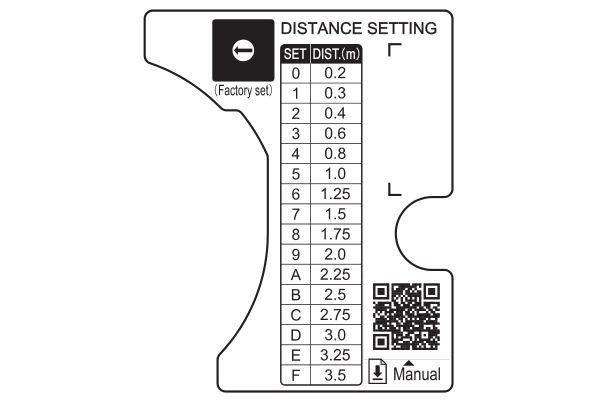
Adjustable detection distance
MMW-3 offers flexible detection range control, with adjustable sensing distances from 0.2 m to 3.5 m, configurable across 16 patterns. This allows for precise tuning of the detection area to suit specific spatial requirements, whether for close-range sensing at entry points or broader coverage in open areas.
If you've got questions, we've got answers
Find answers to commonly asked questions about our mmWave Radar Sensor below. If you can't find what you are looking for here, please reach out to our team.
MMW-3: Lighting Control in Offices
MMW-3: Invisible Detection for Museums & Fine Art Exhibits
What is mmWave presence detection?
mmWave presence detection uses millimetre-wave radar technology to detect the presence of people, rather than simply detecting movement. Unlike conventional motion sensors, mmWave radar can identify very subtle human movements, such as breathing, helping systems recognise when a person is still but remains in the space.
How does the MMW-3 mmWave radar sensor work?
MMW-3 uses 60GHz millimetre-wave radar to detect human presence and subtle movements within a defined detection area. This allows the sensor to distinguish between occupied and unoccupied spaces, even when a person is sitting or otherwise largely stationary. Detection distances can be adjusted to suit different environments and applications.
What is the difference between mmWave presence detection and PIR motion detection?
PIR sensors detect changes in infrared radiation caused by movement, while mmWave radar detects subtle physical movements associated with human presence. This means a PIR sensor can stop detecting someone who remains still, whereas MMW-3 can continue to detect their presence through micro-movements such as breathing.
Can MMW-3 detect a person who is sitting still?
Yes. MMW-3 is designed to detect human presence even when a person is stationary. Subtle movements such as typing, shifting position or breathing can be detected, making it suitable for environments such as offices, meeting rooms and other spaces where people may remain still for extended periods.
Is MMW-3 a privacy-friendly presence sensor?
Yes. MMW-3 provides presence detection without using a camera or microphone. It does not capture identifiable images or record audio, making it suitable for privacy-sensitive environments such as toilets, changing rooms, offices and other areas where camera-based monitoring may be inappropriate.
Can mmWave radar detect breathing?
Yes. MMW-3 is designed to detect very subtle human movements, including breathing. This level of sensitivity allows it to identify human presence when conventional motion sensors may no longer register movement, supporting applications such as occupancy monitoring, security and patient monitoring.
Can MMW-3 be installed behind a wall or ceiling?
MMW-3 can be installed out of sight, including behind plasterboard, walls, ceilings or artwork, depending on the installation material. Its 60GHz radar technology allows discreet installation while maintaining presence detection. Detection performance and distance can vary depending on the density and properties of the material between the sensor and detection area.
What is the detection range of the MMW-3?
MMW-3 has an adjustable detection distance from 0.2m to 3.5m, with 16 configurable detection patterns. This allows the sensing area to be tailored to different environments, from close-range applications such as doorways and hands-free controls to broader occupancy detection in rooms and open areas.
What is the difference between the MMW-3S and MMW-3W?
The MMW-3S is the Spot model, designed for targeted detection in more confined spaces such as doorways or small rooms. The MMW-3W is the Wide model, designed to cover broader areas such as offices and corridors. Both models provide adjustable mmWave presence detection for different application requirements.
What applications can MMW-3 be used for?
MMW-3 can be used for security, occupancy detection, energy management and safety applications. Examples include monitoring offices and healthcare environments, controlling lighting and HVAC systems, detecting unauthorised presence in sensitive areas, monitoring inactivity, and managing occupancy in privacy-sensitive spaces such as toilets and changing rooms.
Can MMW-3 improve lighting and HVAC efficiency?
Yes. MMW-3 can provide real-time information about human occupancy so lighting and HVAC systems can respond to whether a space is genuinely occupied. Unlike motion-only detection, mmWave presence sensing can continue to detect people who are sitting still, helping reduce unnecessary energy use while maintaining occupant comfort.
Can MMW-3 be used for security and safety monitoring?
Yes. MMW-3 can support security by detecting human presence even when an individual is stationary, while its ability to identify prolonged inactivity can support safety and care applications. It can therefore be integrated into wider security, building management or monitoring systems where knowing that someone is present is more important than simply detecting movement.